

Jewellery
When purchasing from sources other than official or authorised shops, you should check the seller’s track record, for example by reading online reviews. An unusually low price is a good indicator that the item may be a counterfeit.
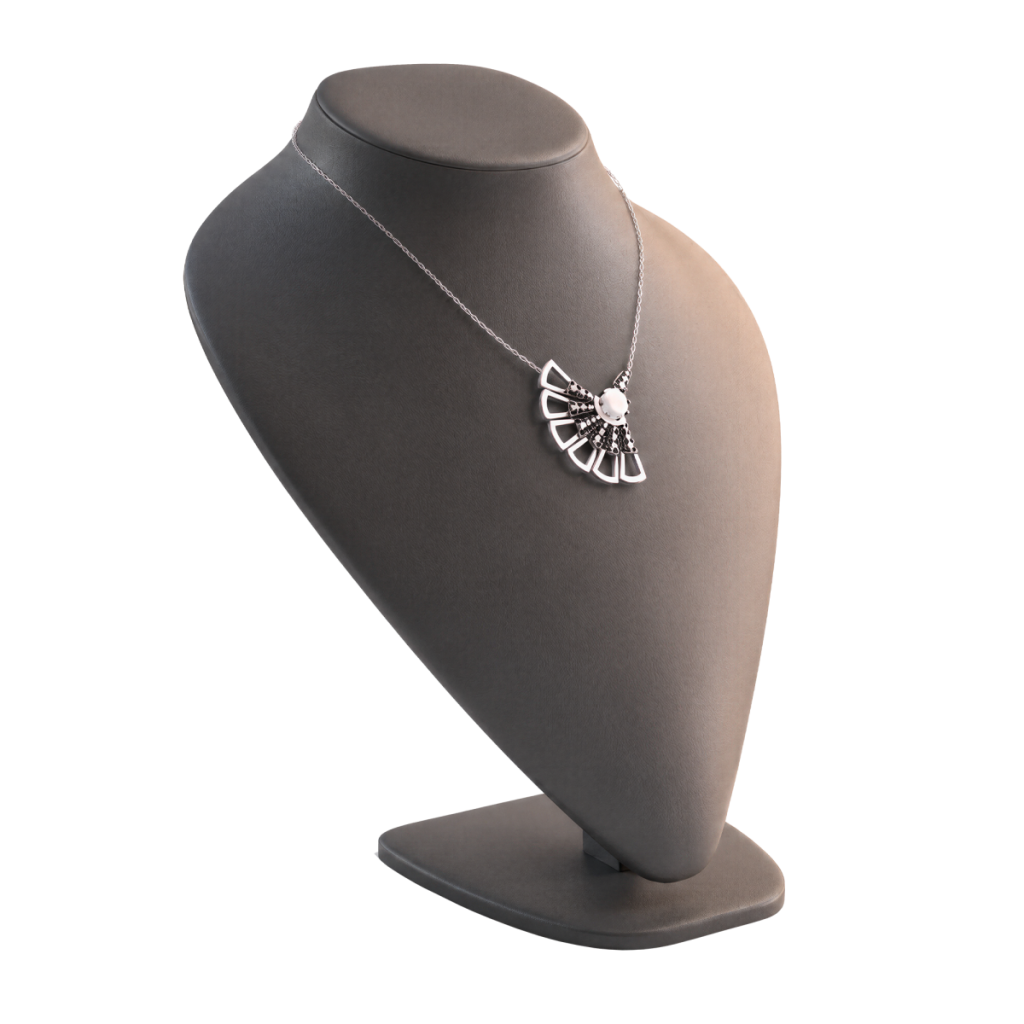
Jewellery made from precious metals must bear a hallmark, which varies from country to country (UK hallmark,
Swiss hallmark, etc.): 18-carat gold = 750 · silver = 925 · platinum = 950.
The absence of this mark, or if it is blurred or poorly formed, should raise concerns.
- Precious metals are dense and heavy for the size of the item. A piece of jewellery that is too light probably contains non-precious metals.
- The appearance must be of a uniform colour with no signs of tarnishing
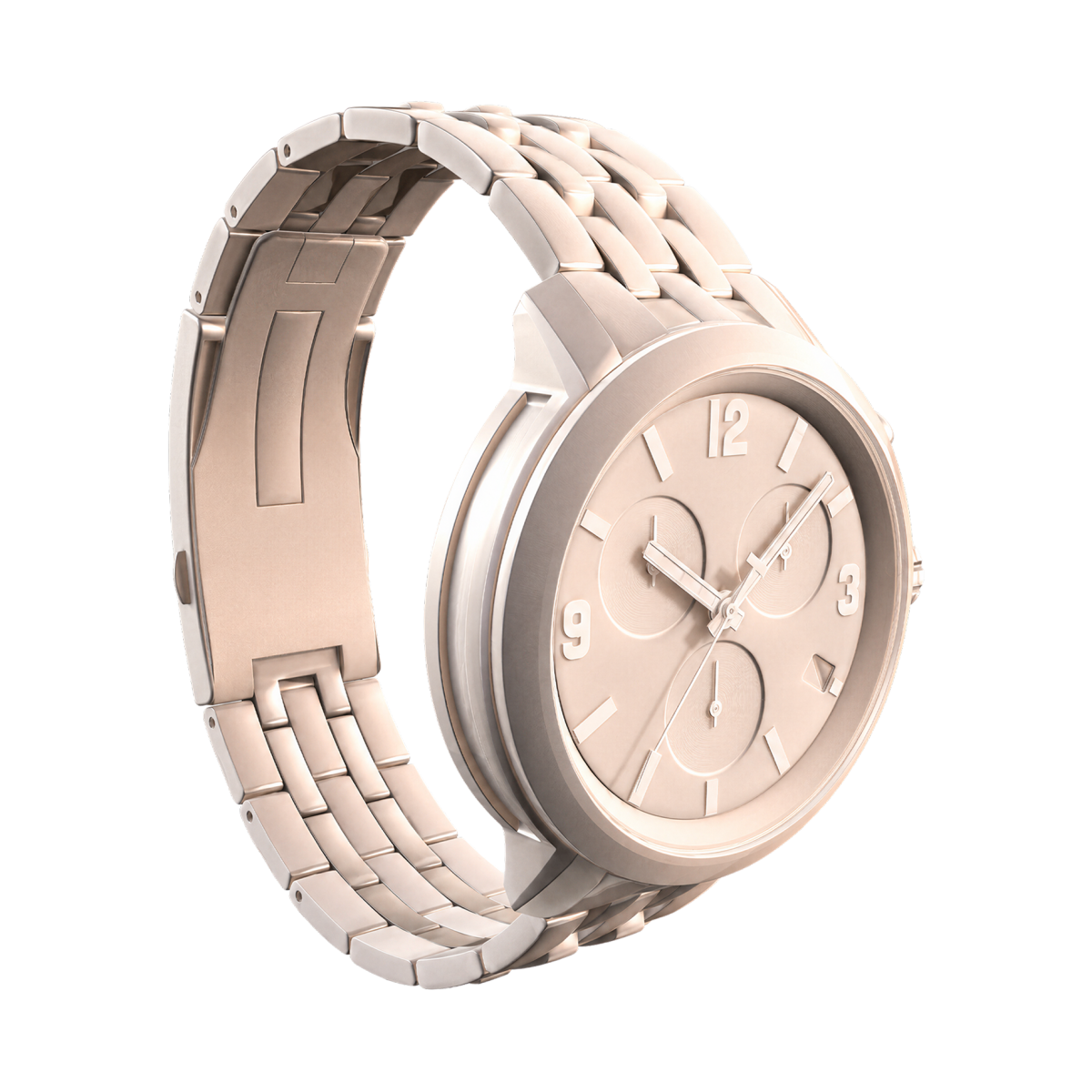
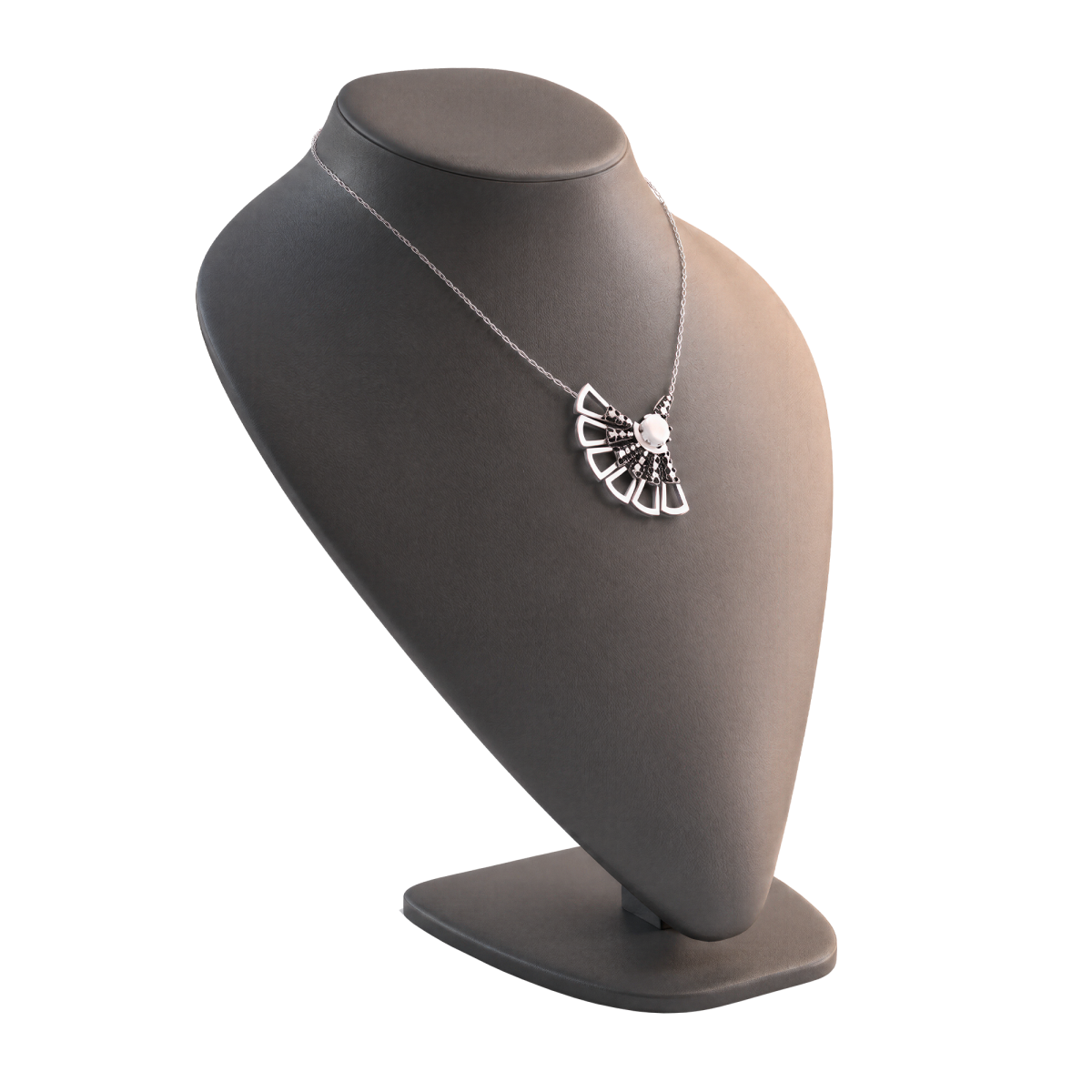
The stones are always firmly set, with no play or unusual gaps. There are never any visible solder joints, and the clasp must be secure. The engravings must be clear (serial number, hallmark, etc.); if they are not, this is often a tell-tale sign.
Certain tests can indicate a trend, though they do not provide certainty; this is particularly true of the magnet test: gold, silver and platinum are not magnetic, so if they are attracted to a magnet, the item is a fake.
For any gemstone, ask for a gemmological report detailing the stones’ references and check the colour, clarity, carat weight (measurement) and geographical origin. There are recognised laboratories available to verify authenticity online, such as: GIA, HRD and IGI.
Around 15 per cent of jewellery
sold online is thought to be counterfeit
according to EUIPO.
An official jewellery shop or an authorised retailer remains the safest place to buy jewellery without any risk.