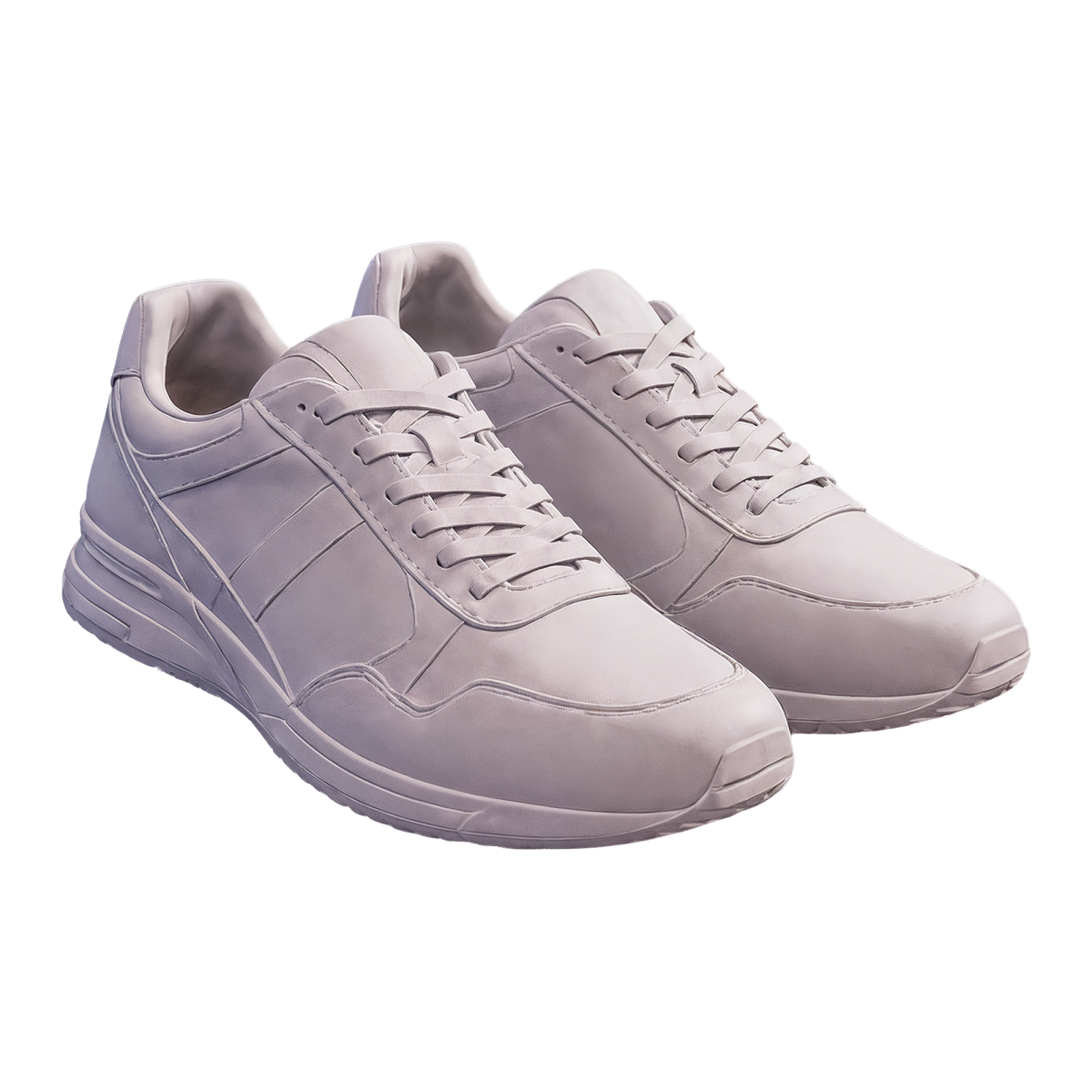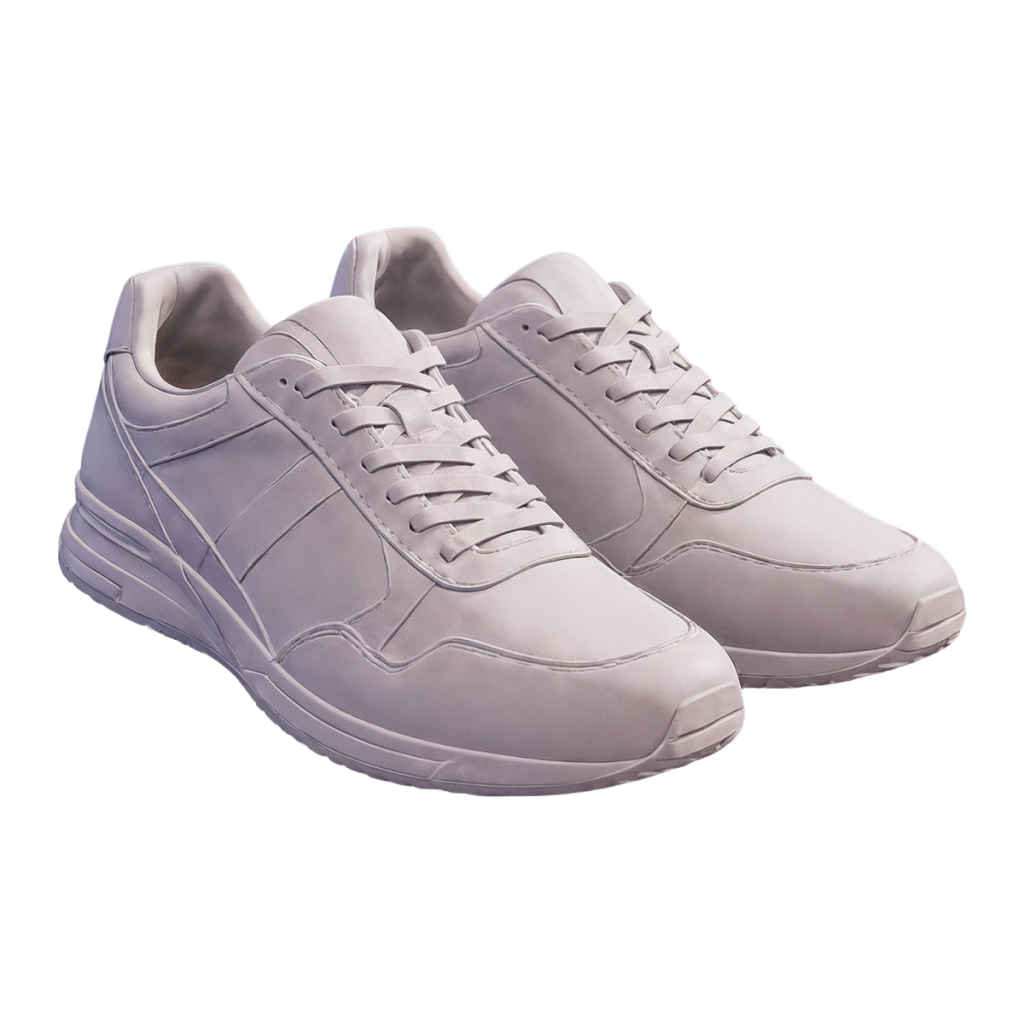


Shoes
When buying genuine shoes, choose the brand’s own shop, a reputable multi-brand retailer or an authorised official website. Never buy from a market stall or an unknown website, and exercise caution on auction sites, private sales platforms or social media.
A price that is too low: a pair that usually retails for a few hundred euros but is being offered for just a few tens of euros is almost certainly a counterfeit. Compare this price with the official retail price (on the brand’s website or at authorised retailers).
Any offer that seems too good to be true on social media – which has now become a favourite hunting ground for fraudulent sellers – should be treated with suspicion.
The box must contain: country of manufacture, SKU code, barcode, exact model name and shoe size.
A damaged box, spelling mistakes, a blurred sticker, or incorrect or missing information are all warning signs.
A genuine pair is always made from premium materials and/or high-quality fabric. Counterfeits often have a plastic-like appearance.
Irregular stitching, with loose threads and excessive traces of glue, is a sign of poor quality.
A counterfeit item often has a strong chemical smell of burnt plastic or toxic glue.
The inner label is crucial; it must feature a standardised font, aligned numbers and an identification code identical to that on the box.
Any inconsistency in the typography, proportions or colour of the logo gives the product away as a counterfeit, as do spelling mistakes.