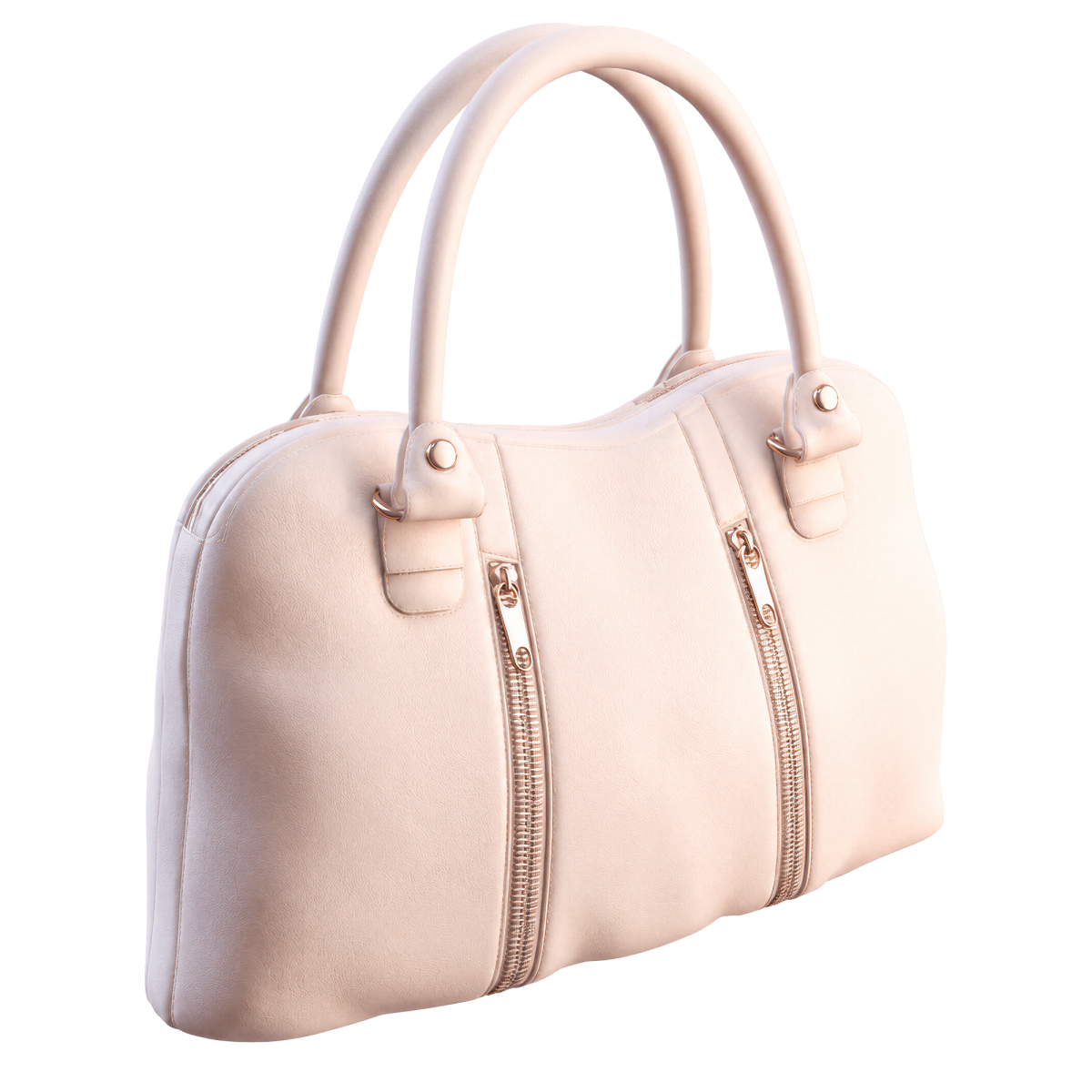


Leather goods & accessories
If you wish to buy an authentic accessory or piece of leather goods, the only places you should shop are the brand’s own shop, its authorised retailers, or its official website. Never buy a designer brand product at a market, a flea market or from a street vendor.
Leading leather goods brands never offer discounts or significant price reductions outside of official sales events, such as private sales or seasonal sales. A luxury bag or accessory sold at a knock-down price should be viewed with suspicion and is likely to be a counterfeit.
Genuine leather has a distinctive smell. Faux leather is stiff, plasticised and cold, with a chemical smell of petrol or plastic. It flakes, breaks or cracks quickly, and the reverse side is woven.
- The stitching is authentic and even, the finish is impeccable, the seams are neat, and there are no loose threads. If there is a lining, its quality is also impeccable.
- Every detail counts, and if there is a logo and/or brand name – whether embroidered or woven – it will be flawless.
- Any irregularity, such as a loose thread or a broken stitch, is a typical sign of a counterfeit. Any noticeable defect will raise suspicion and indicate that the item is a counterfeit.
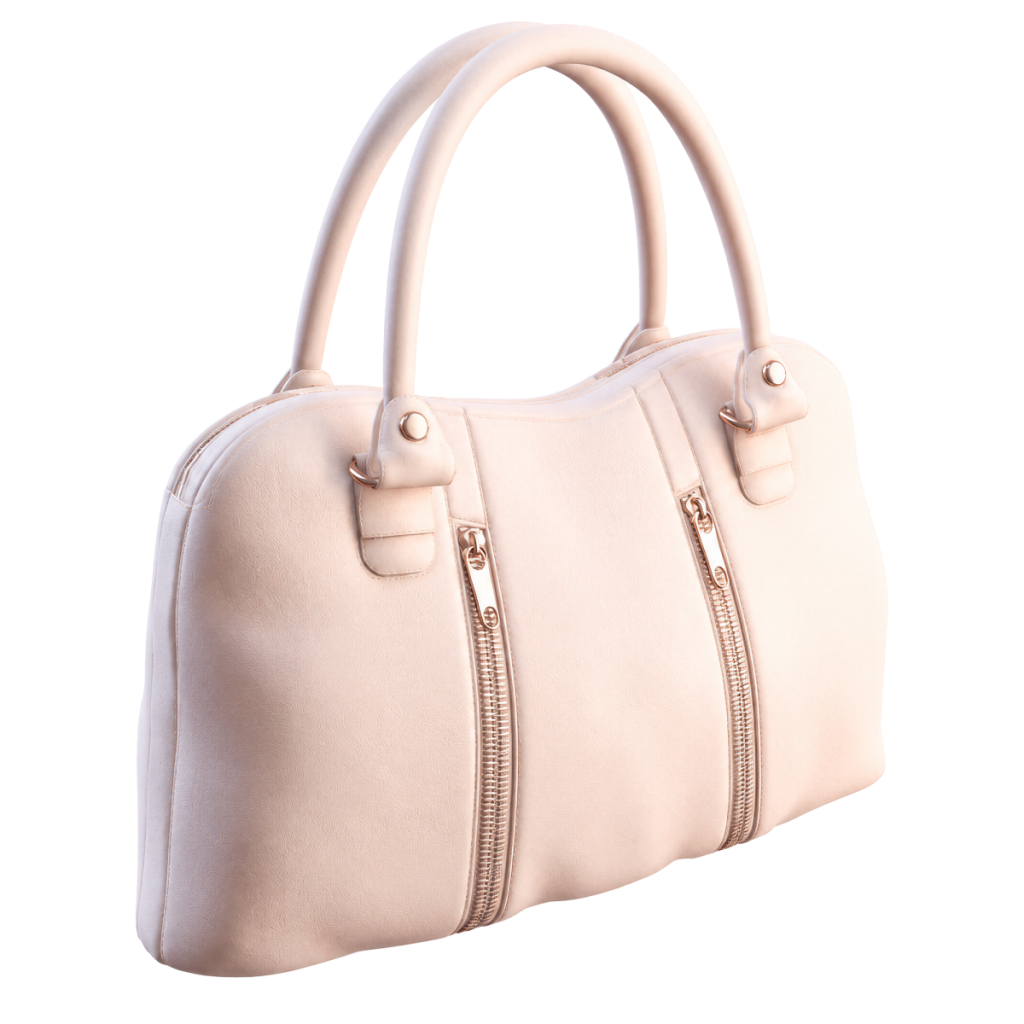
- The weight of the metal components (buckles, clasps, chains): they are heavy, with a uniform finish and clear, precise logo engravings.
- Lightweight, hollow fittings that tarnish quickly suggest the poor quality often found in counterfeit goods.
- Accurate type setting, precise layout and crisp engraving are the hallmarks of excellence and a guarantee of quality from the manufacturers.
- Some manufacturers use serial numbers, date codes or unique identifiers to make it easier to identify their products.
- A blurry, overly small or slightly off-centre logo gives the game away.
- All products from leading leather goods brands are sold in high-quality boxes and protective covers, all of which are meticulously crafted. Every detail counts.
- These houses offer an experience that extends to the quality of the original packaging.
You should always ask for a certificate of authenticity or a receipt, particularly when buying second-hand. - Counterfeit items are rarely supplied with packaging, and when they are, the packaging is usually crude and many details are missing. The quality of the protective covers varies and is generally lower.
60 billion euros
That is how much counterfeiting costs the luxury goods industry in Europe each year.
For high-value products, the safest places to buy them remain official shops and through the selective distribution channel.